

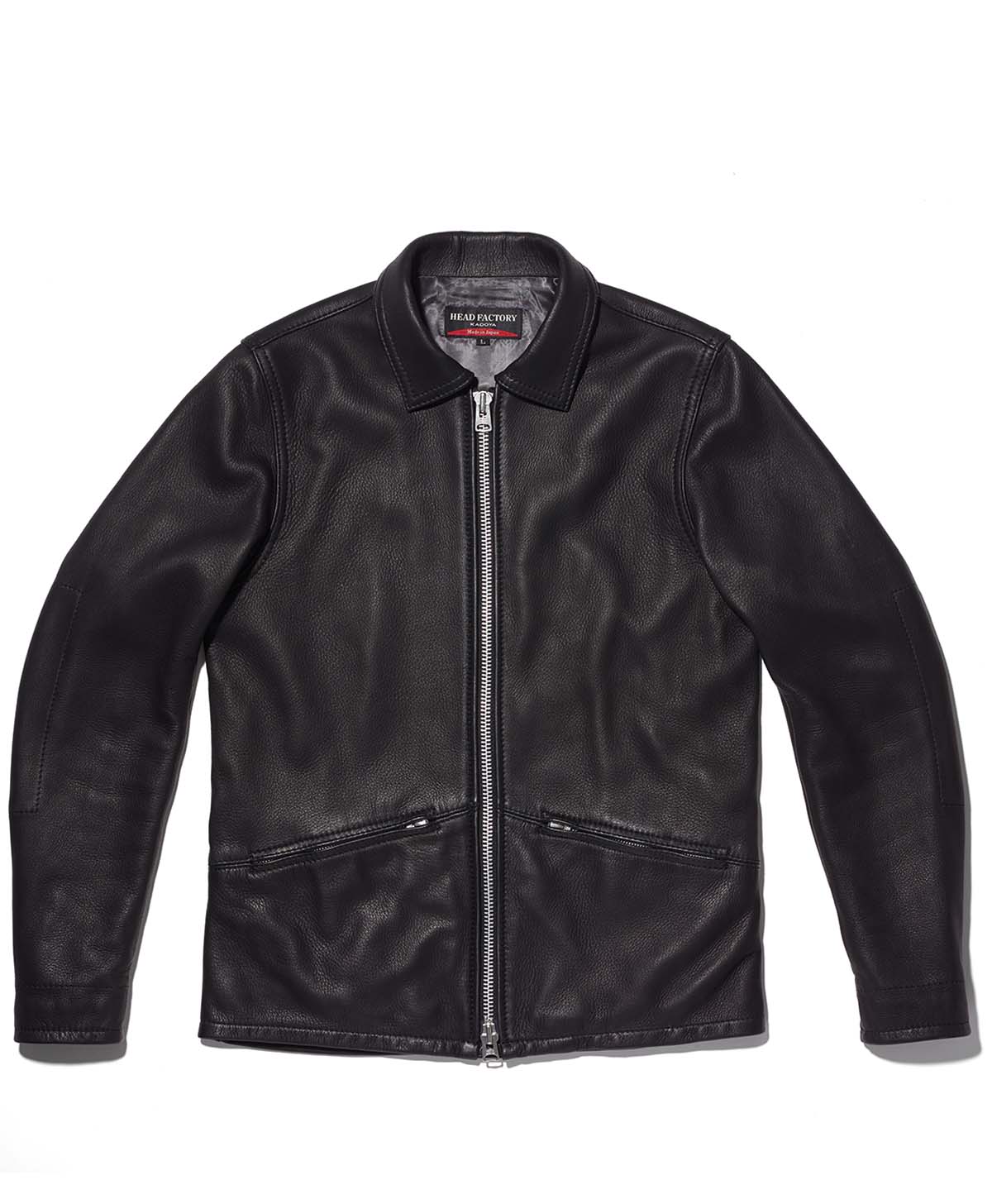
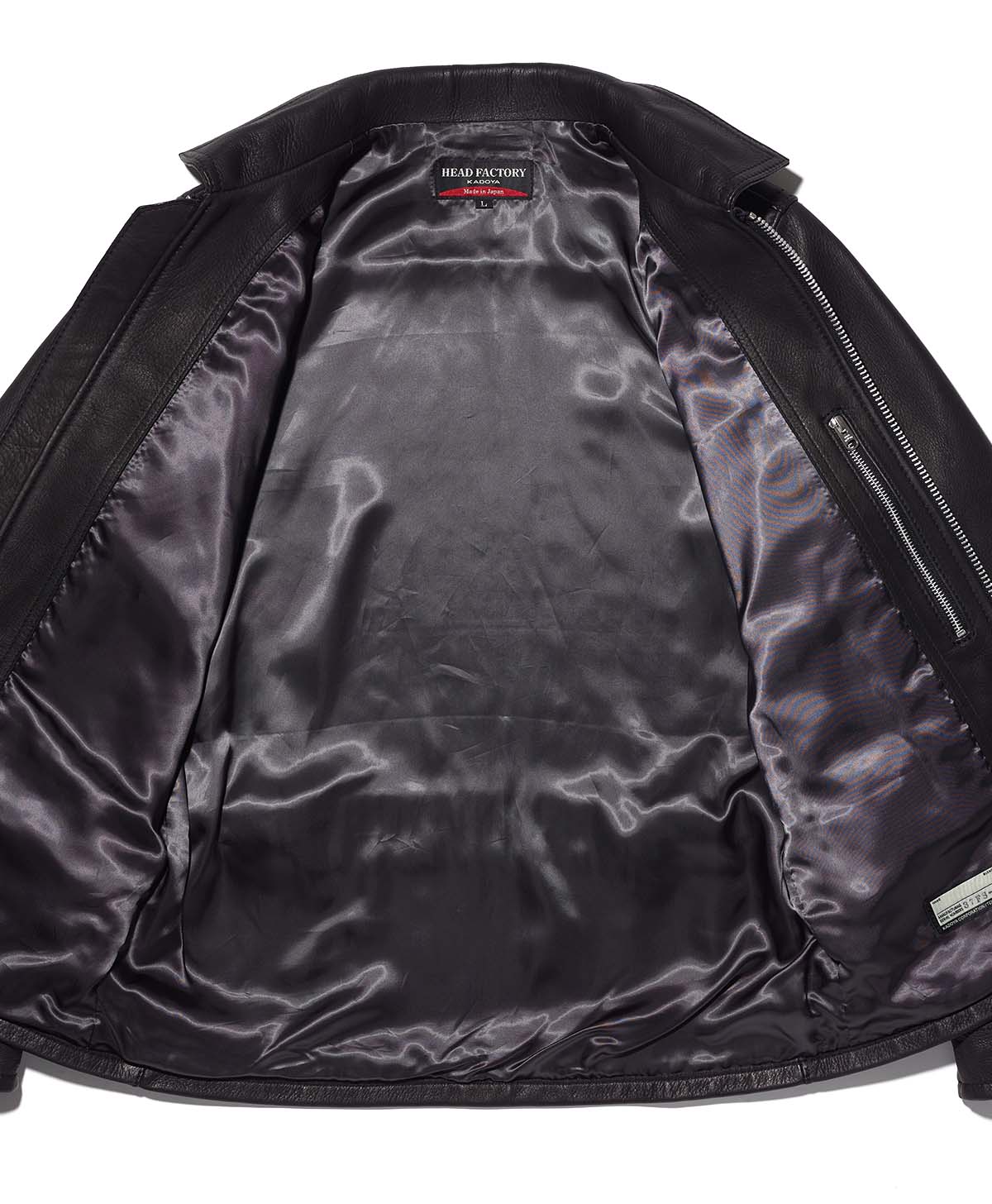
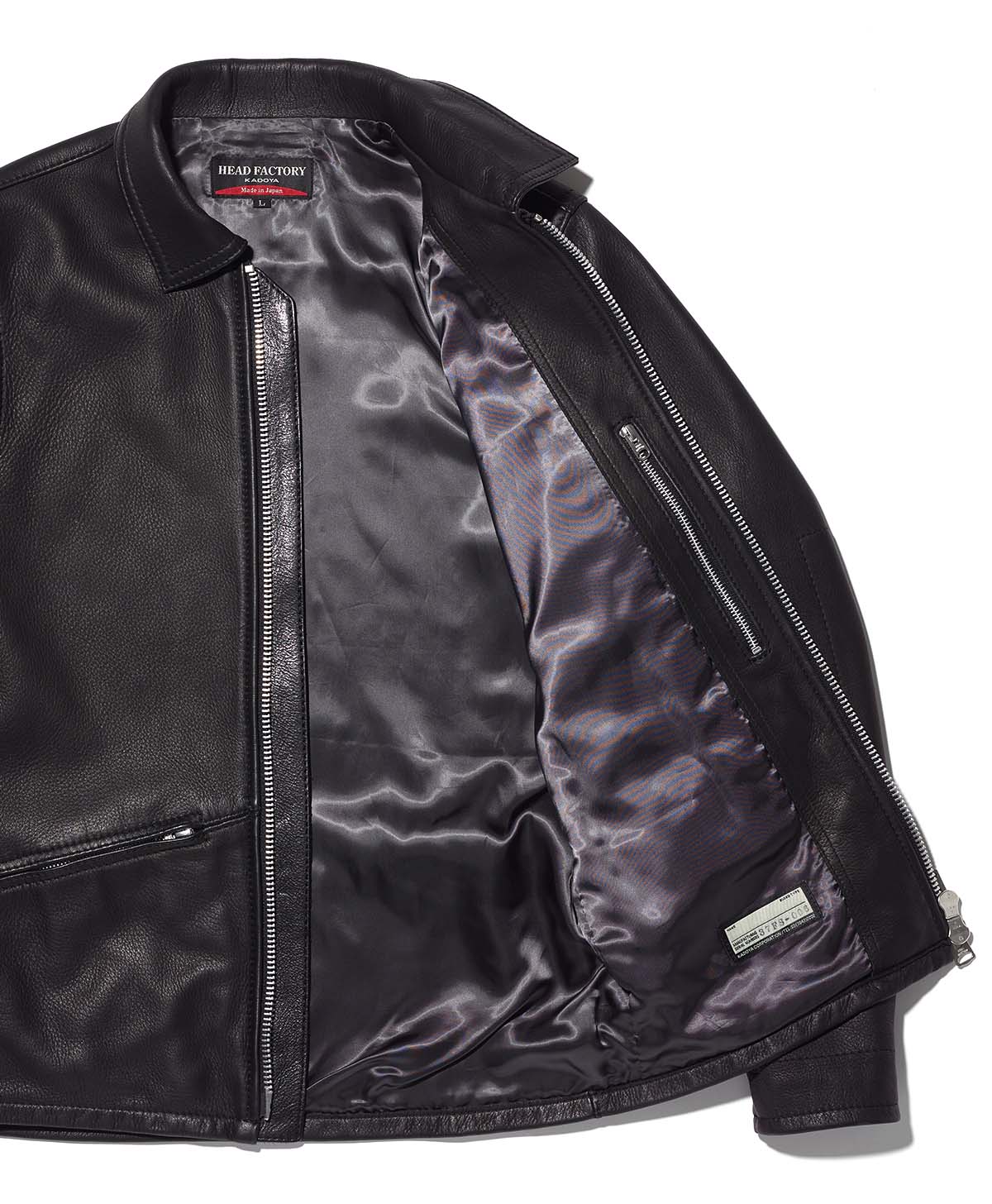
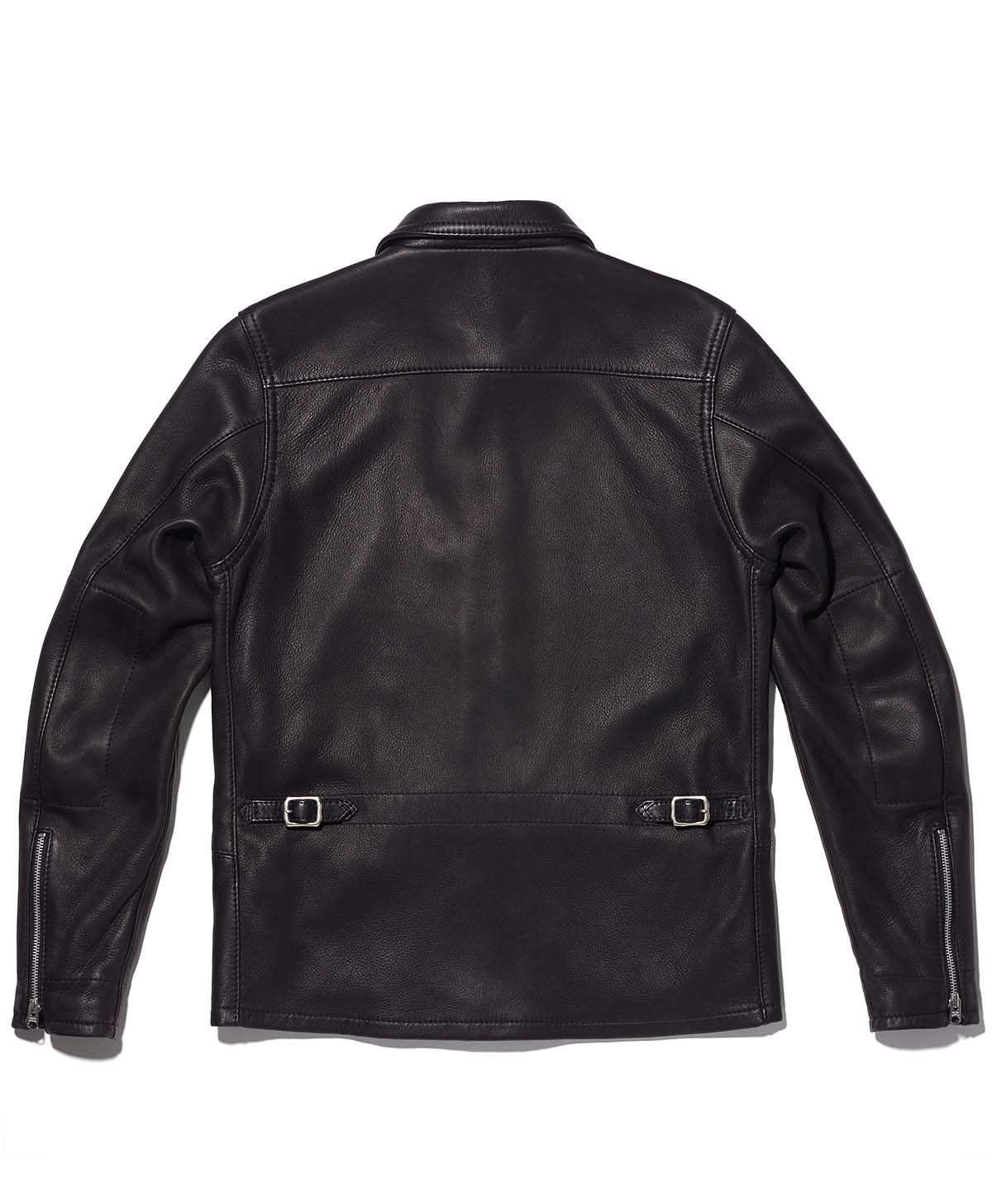
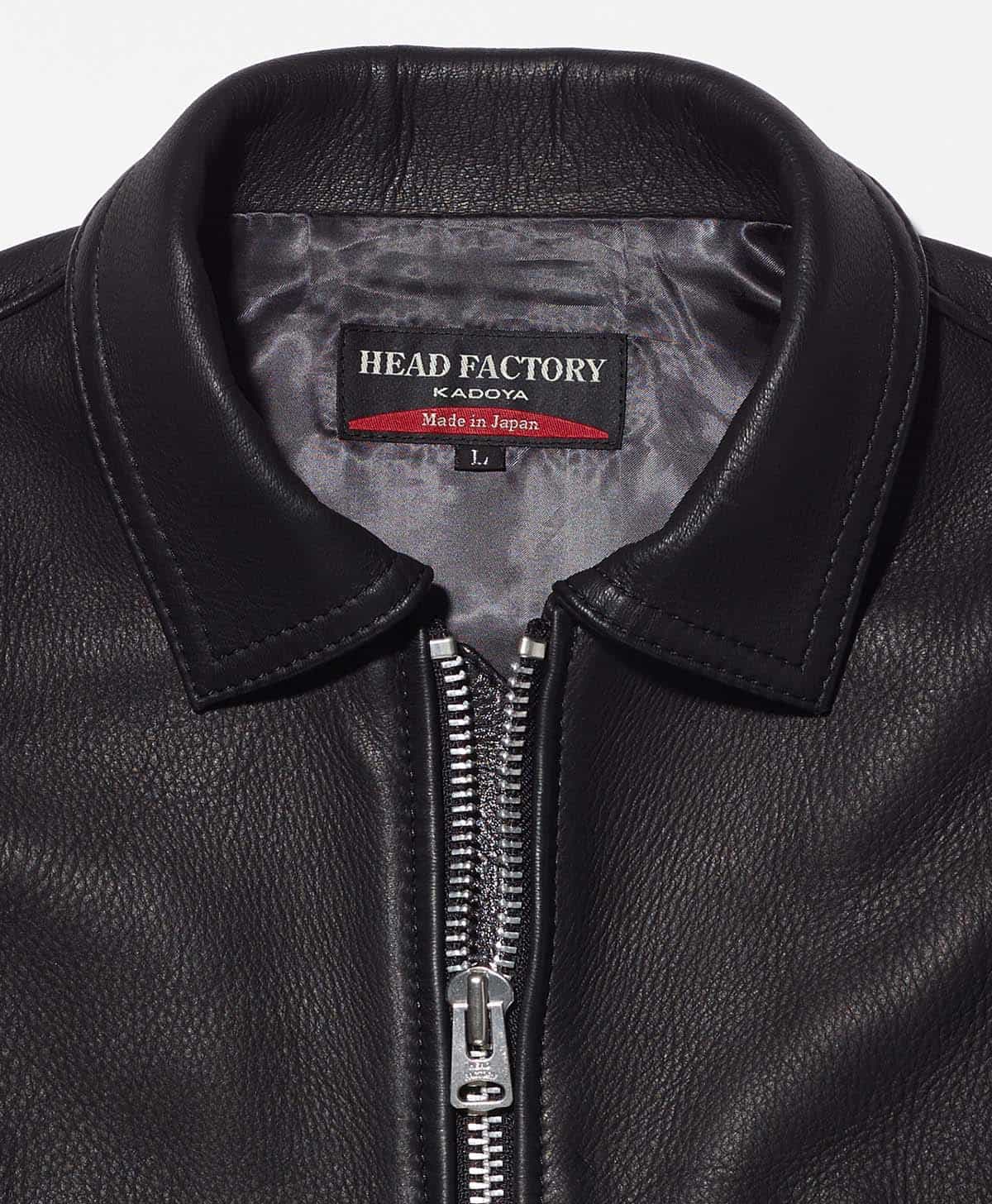
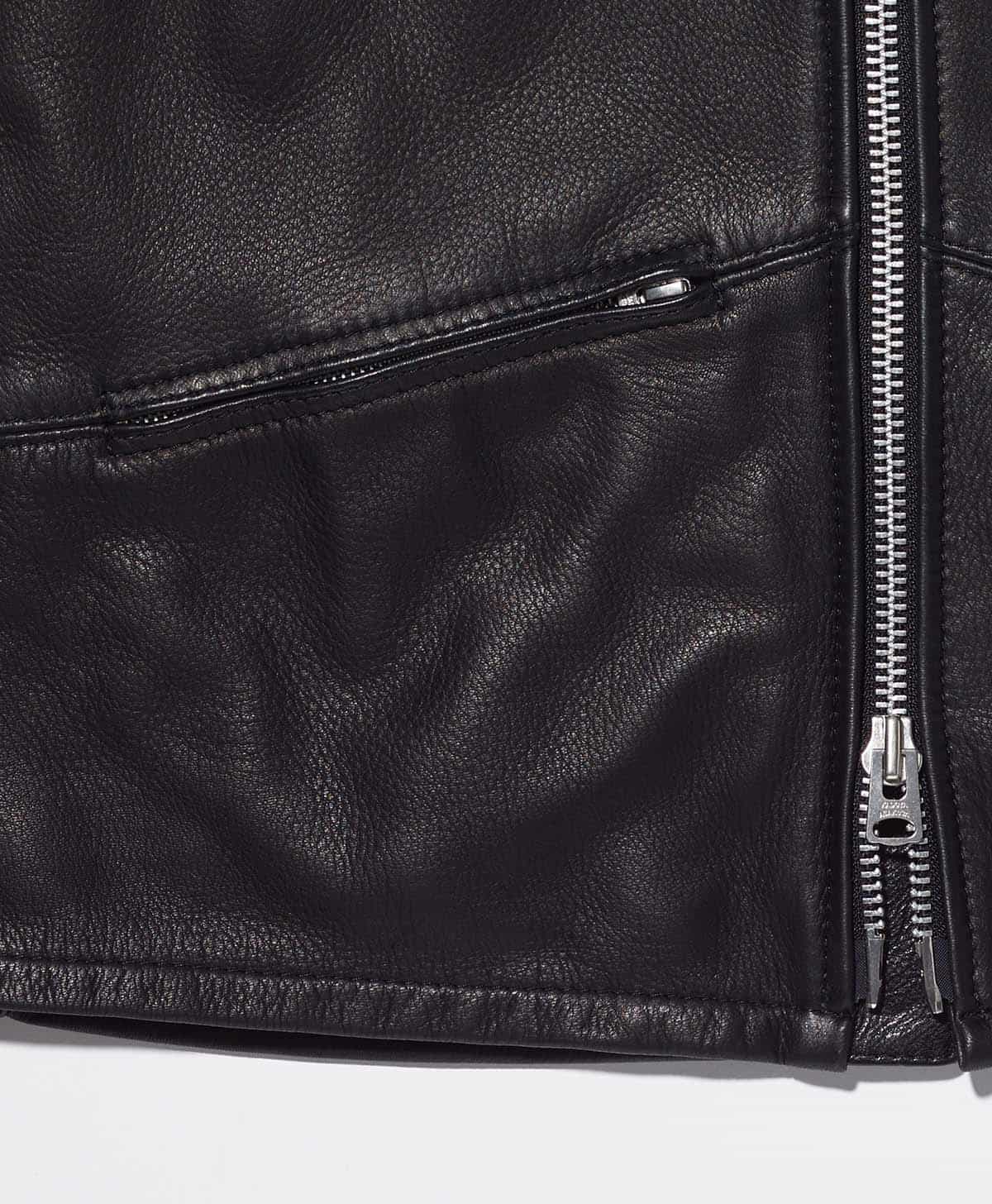
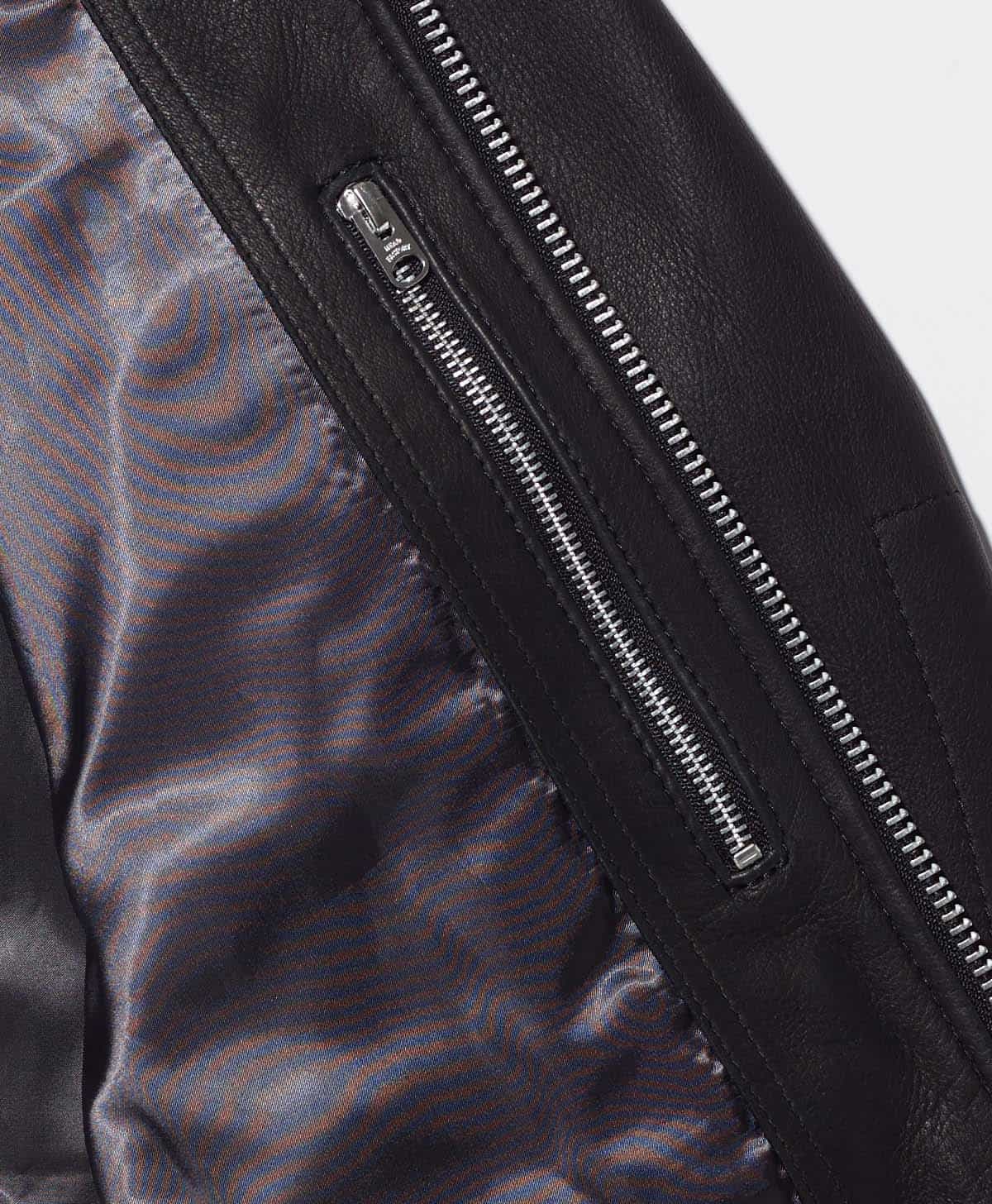
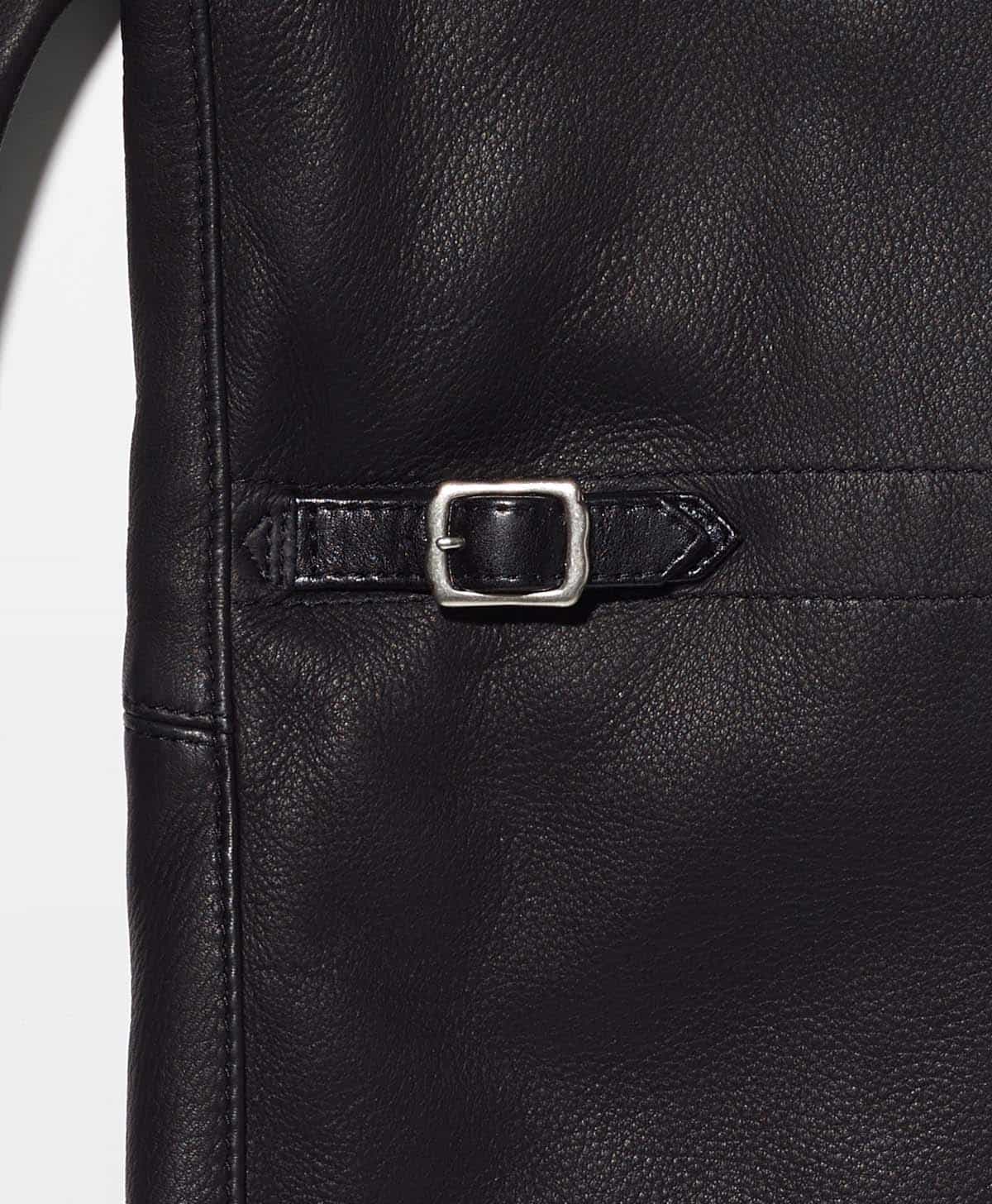
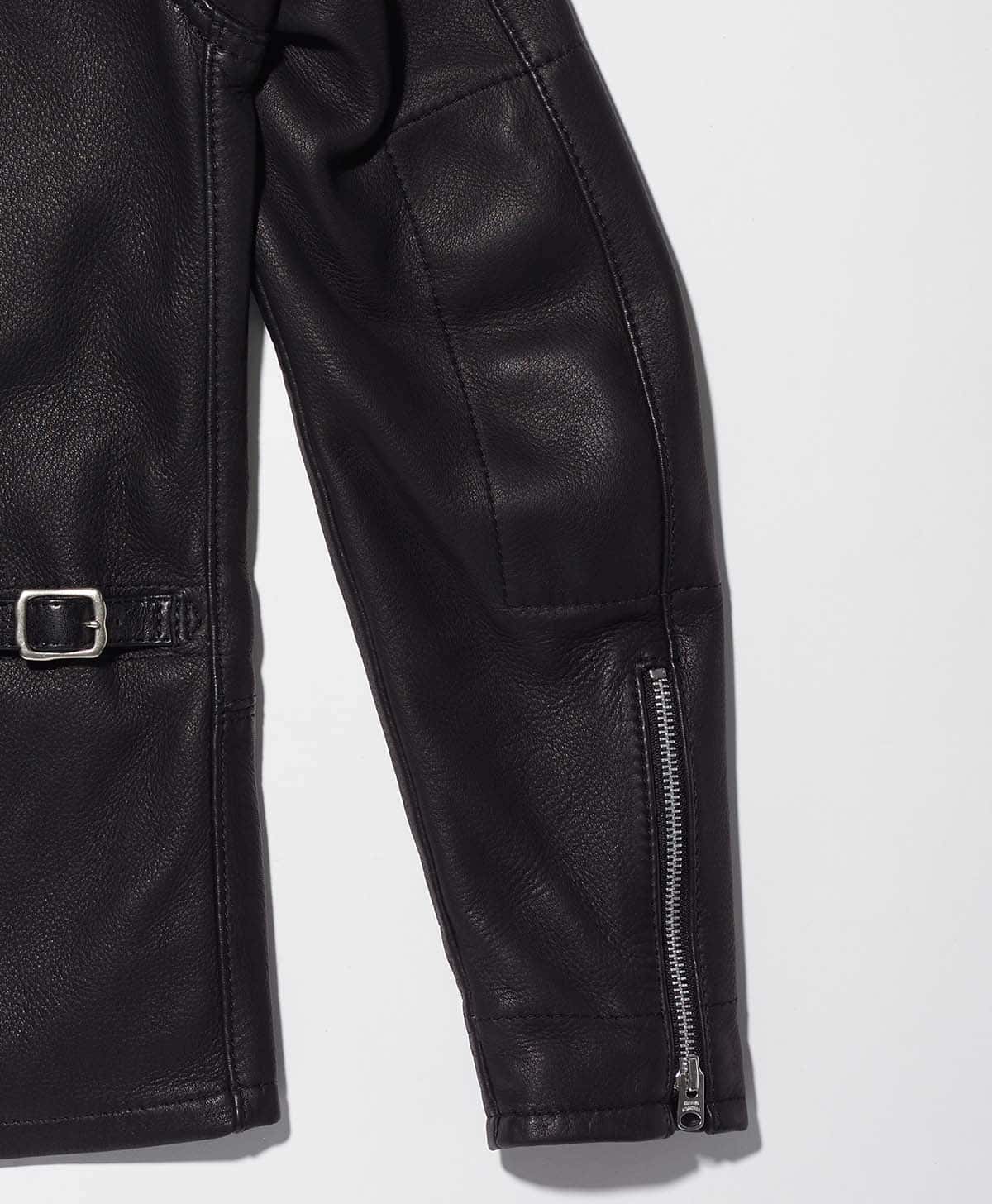
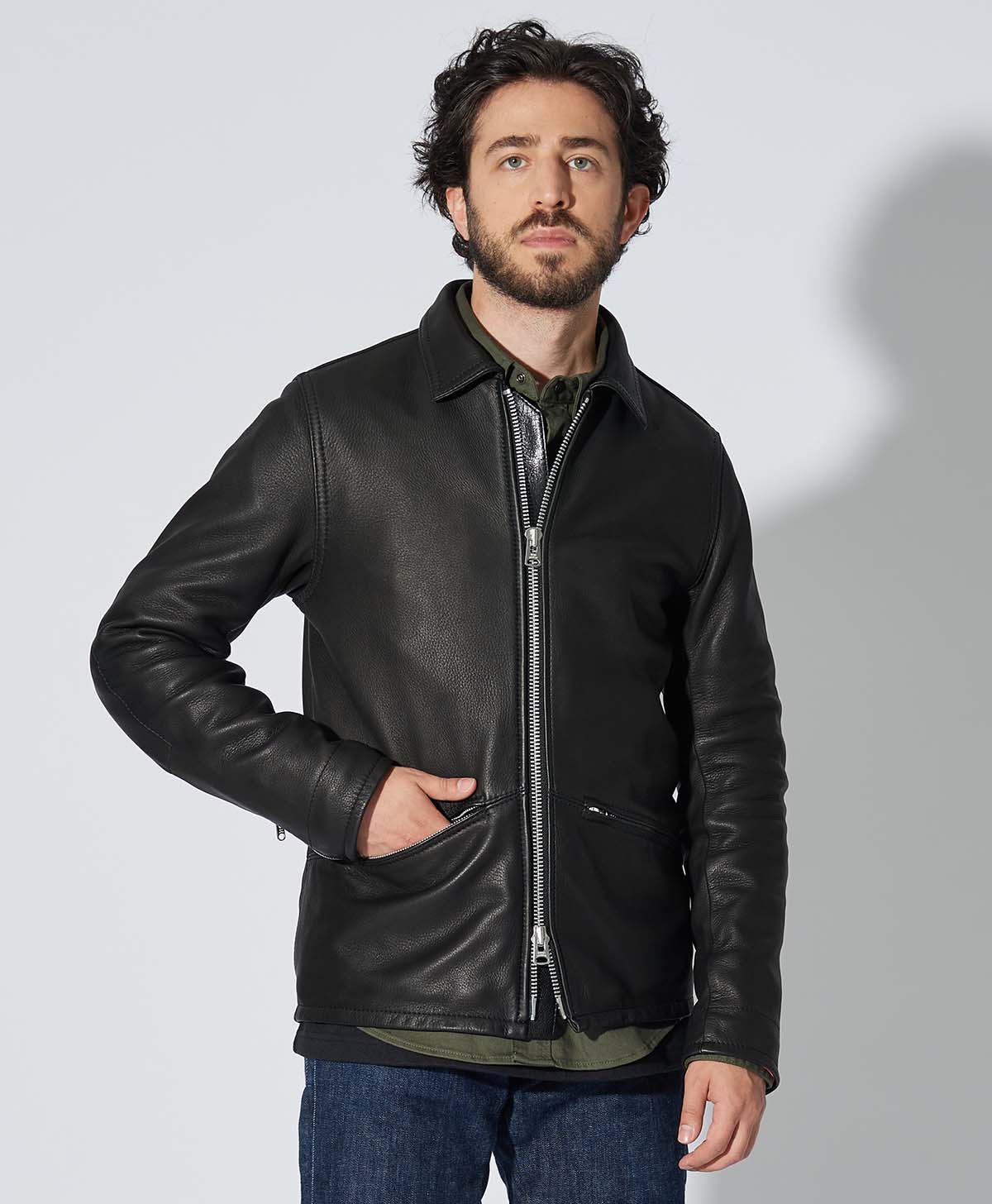
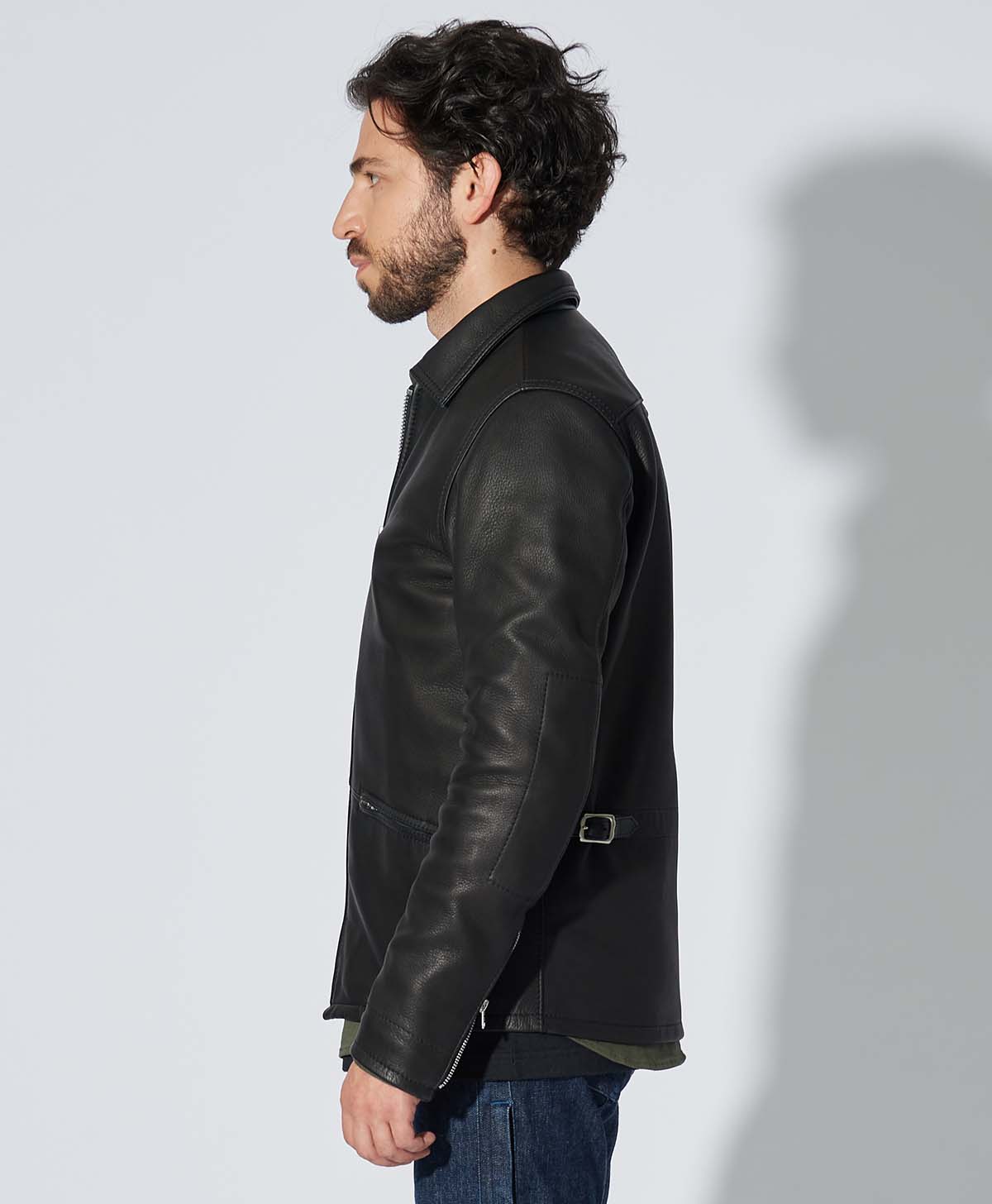
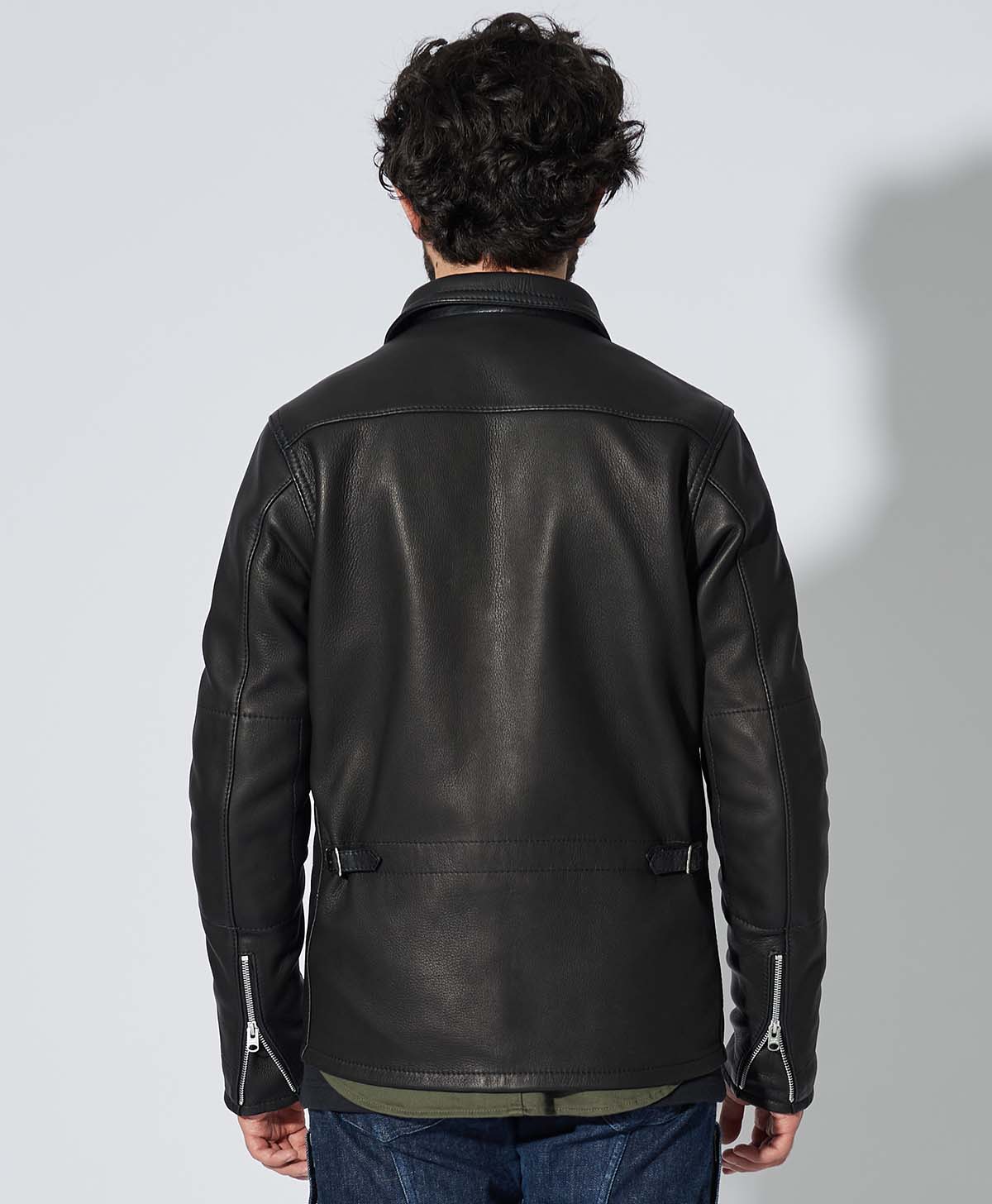
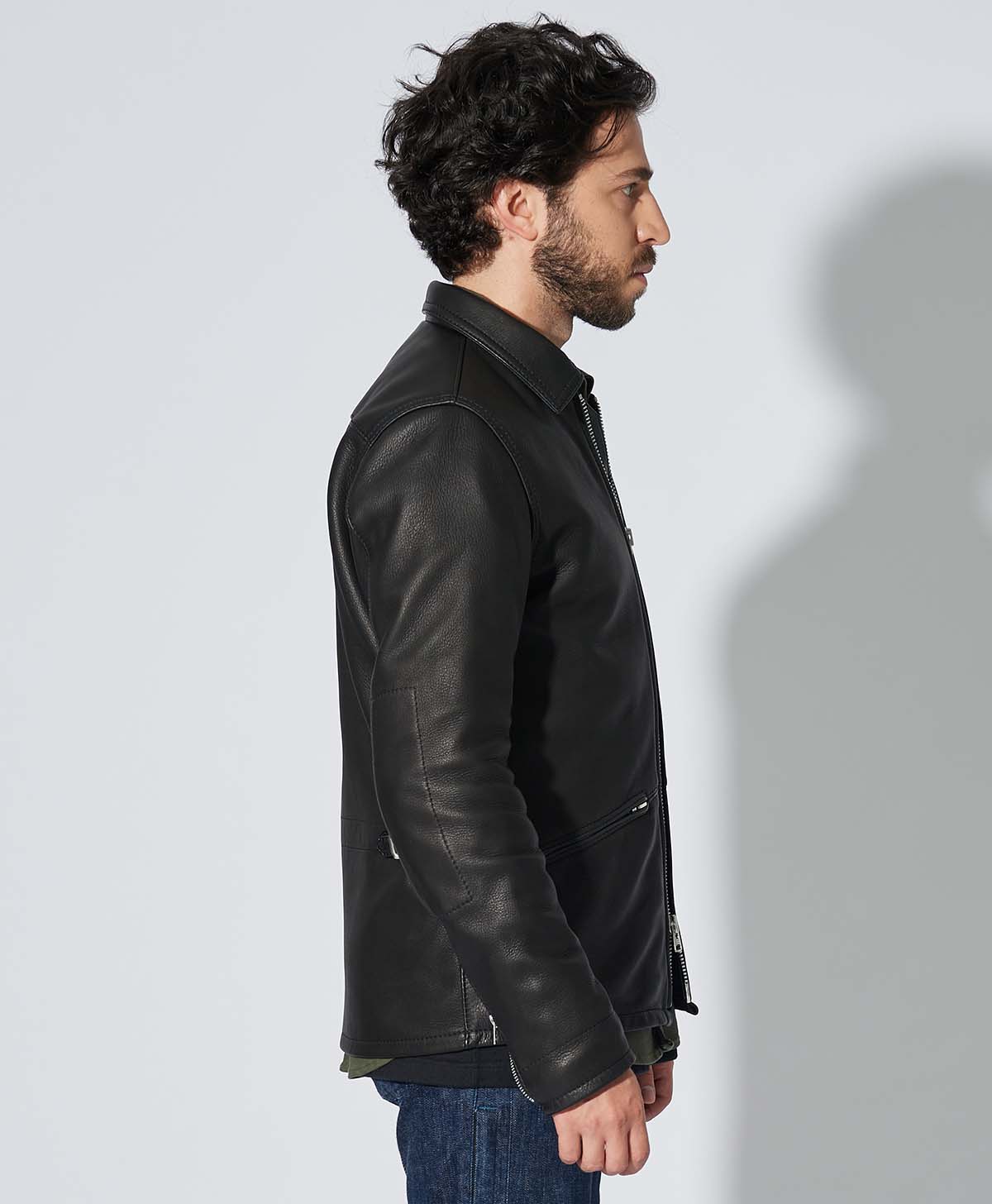
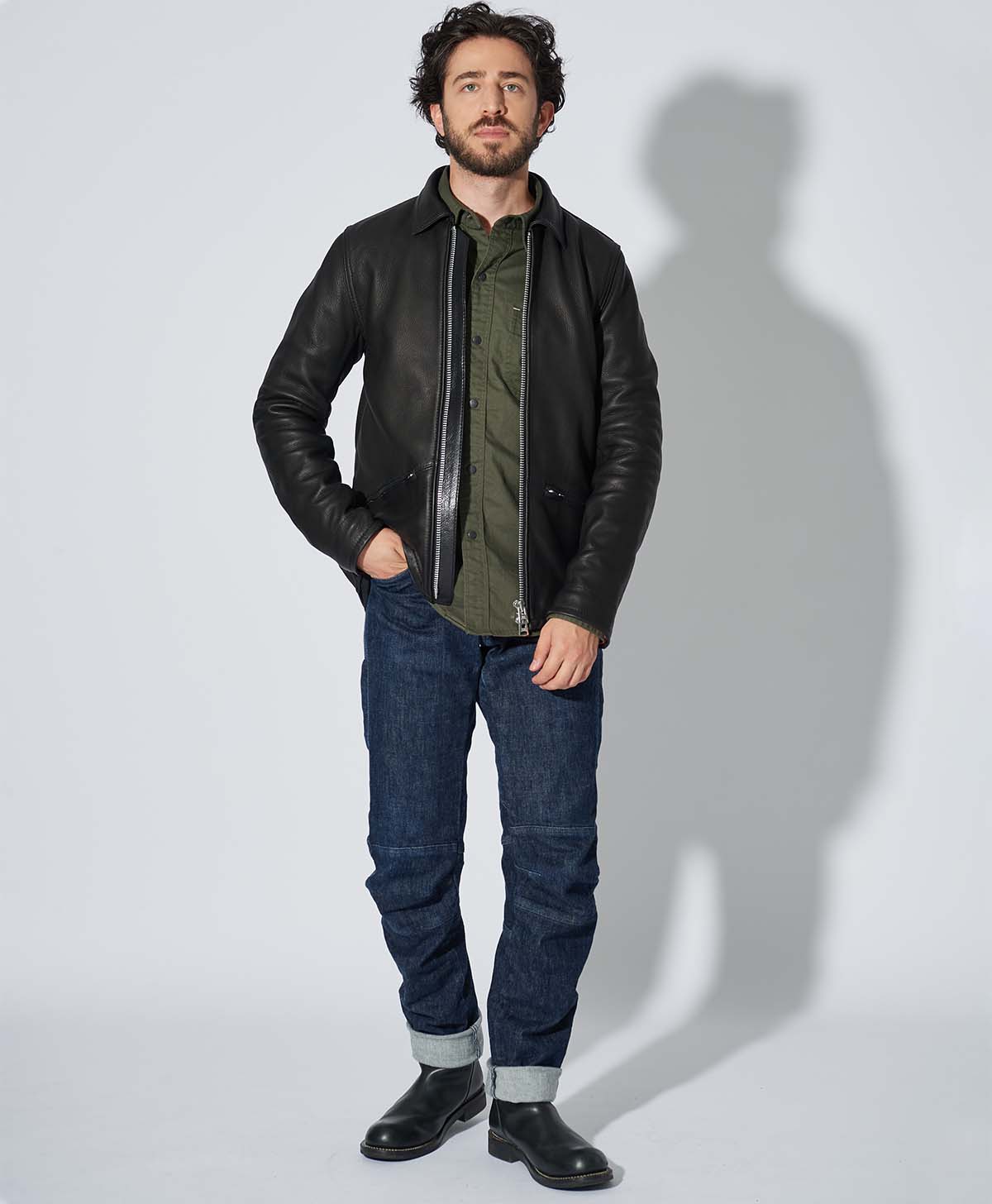
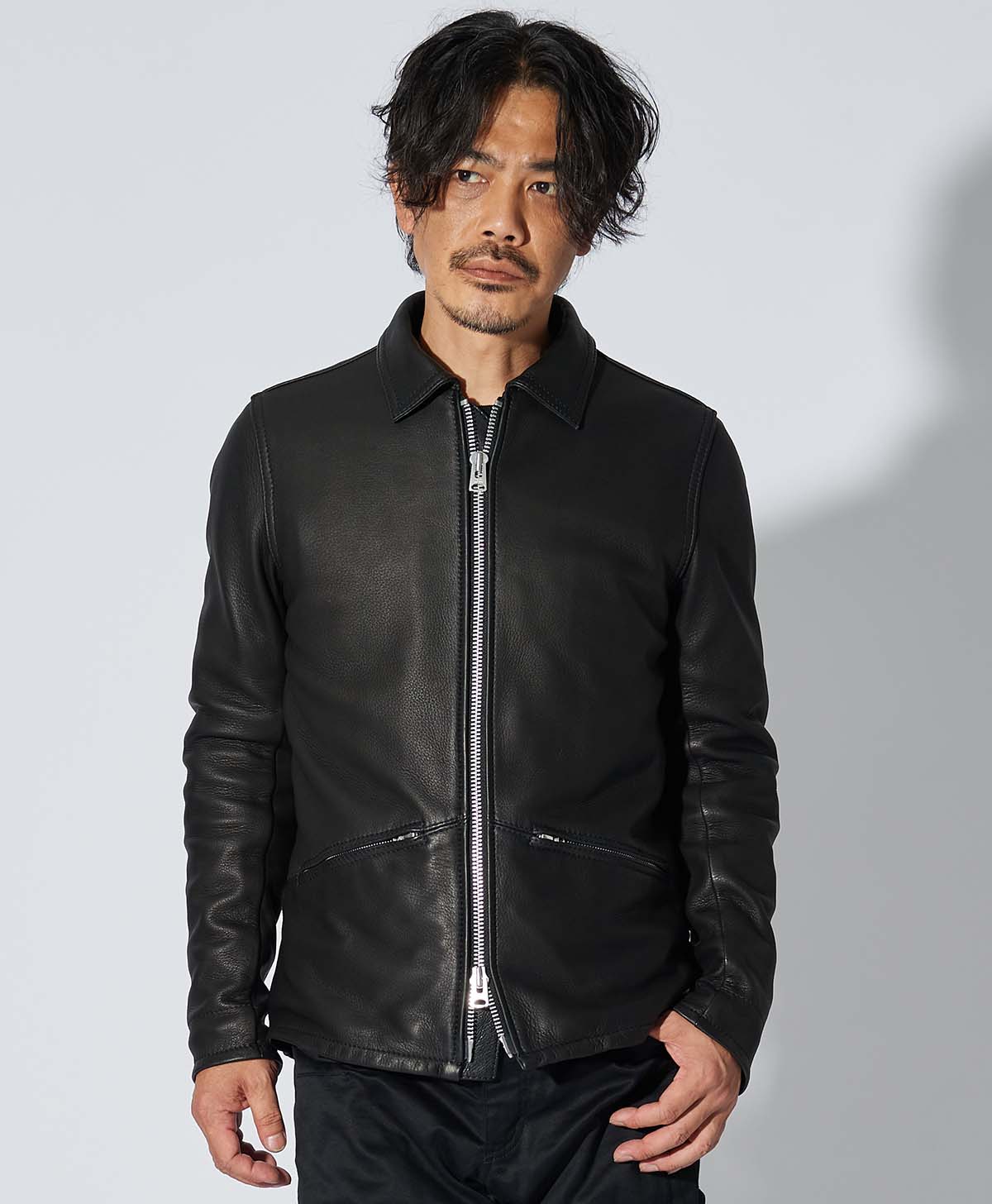
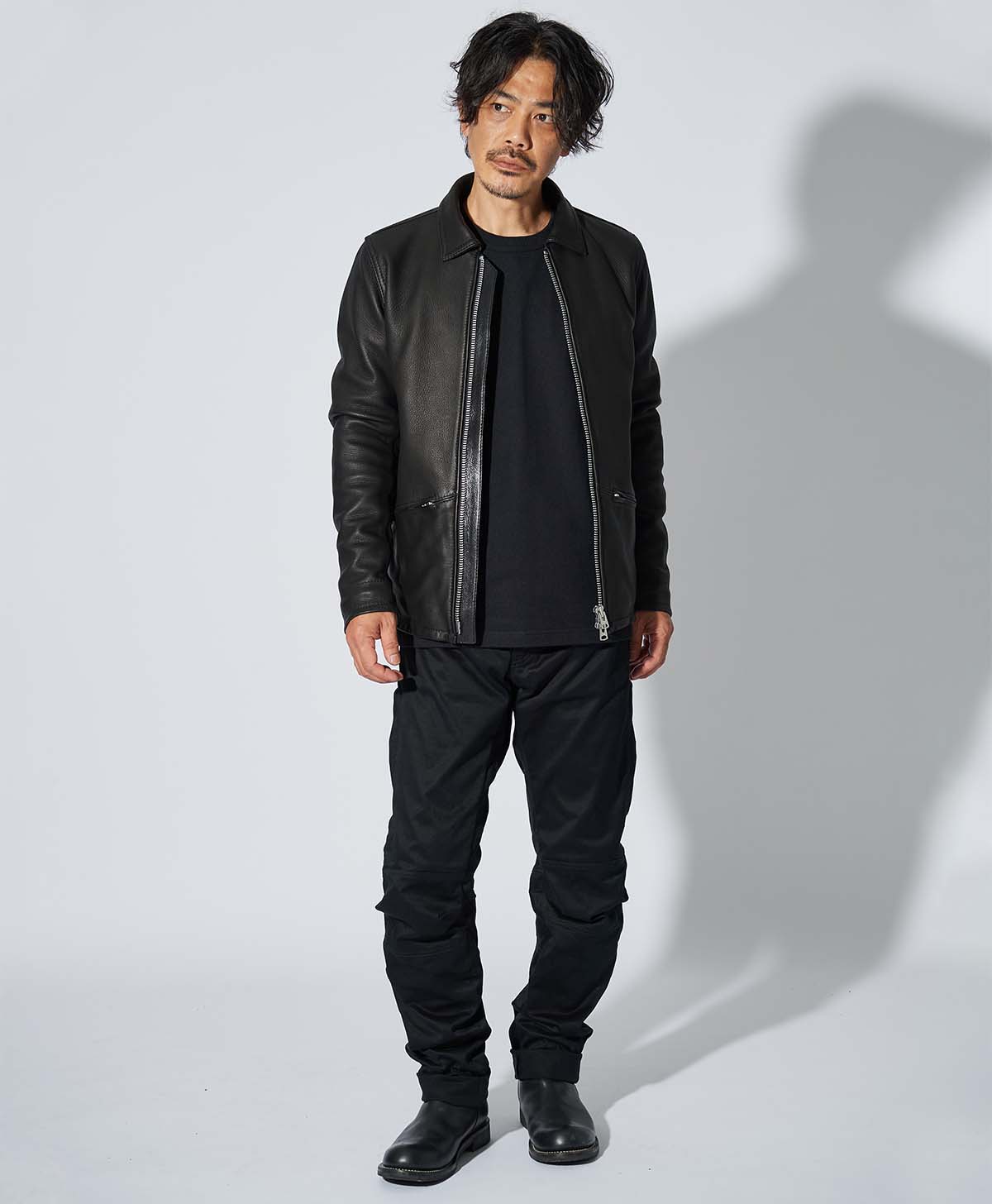
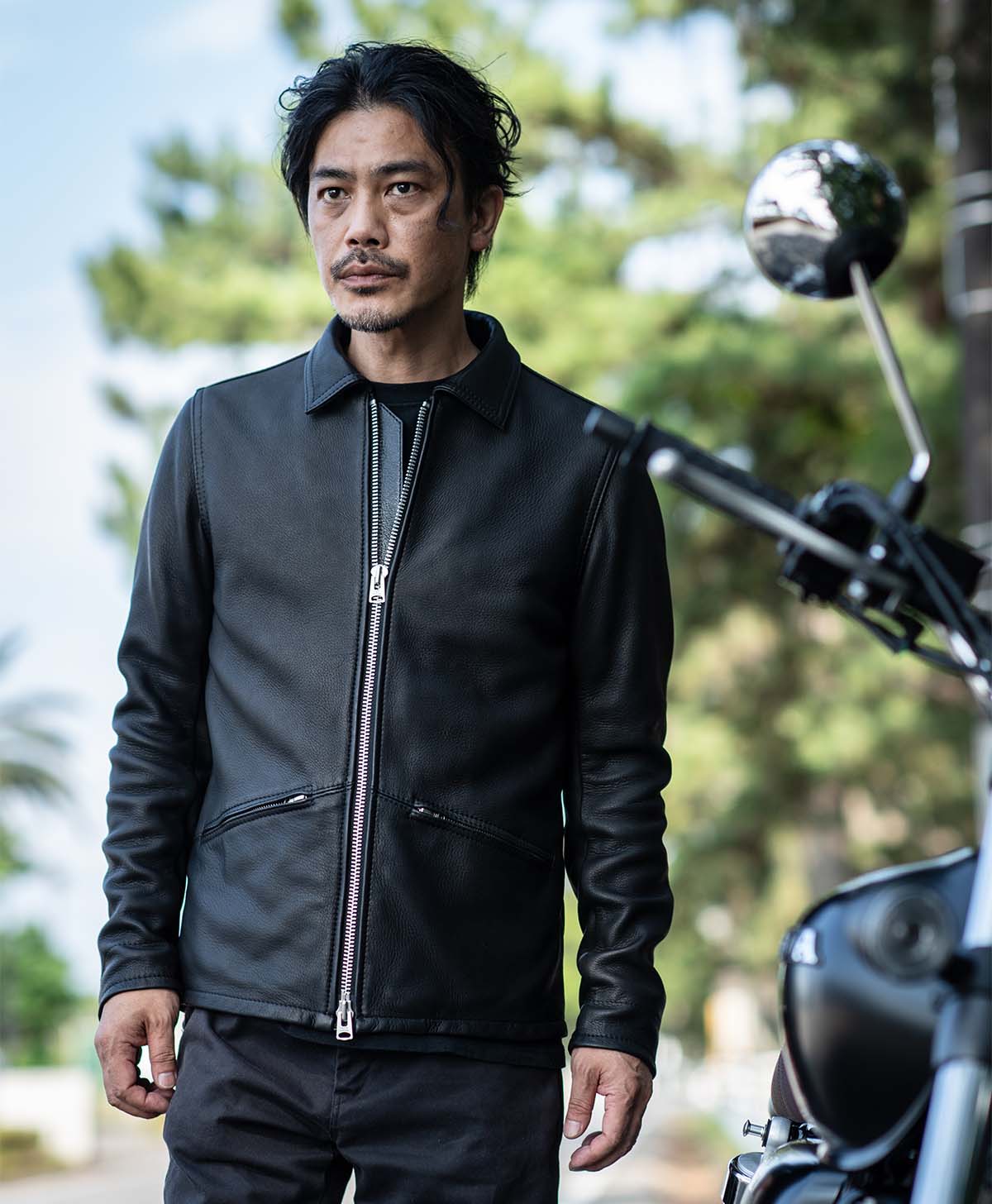
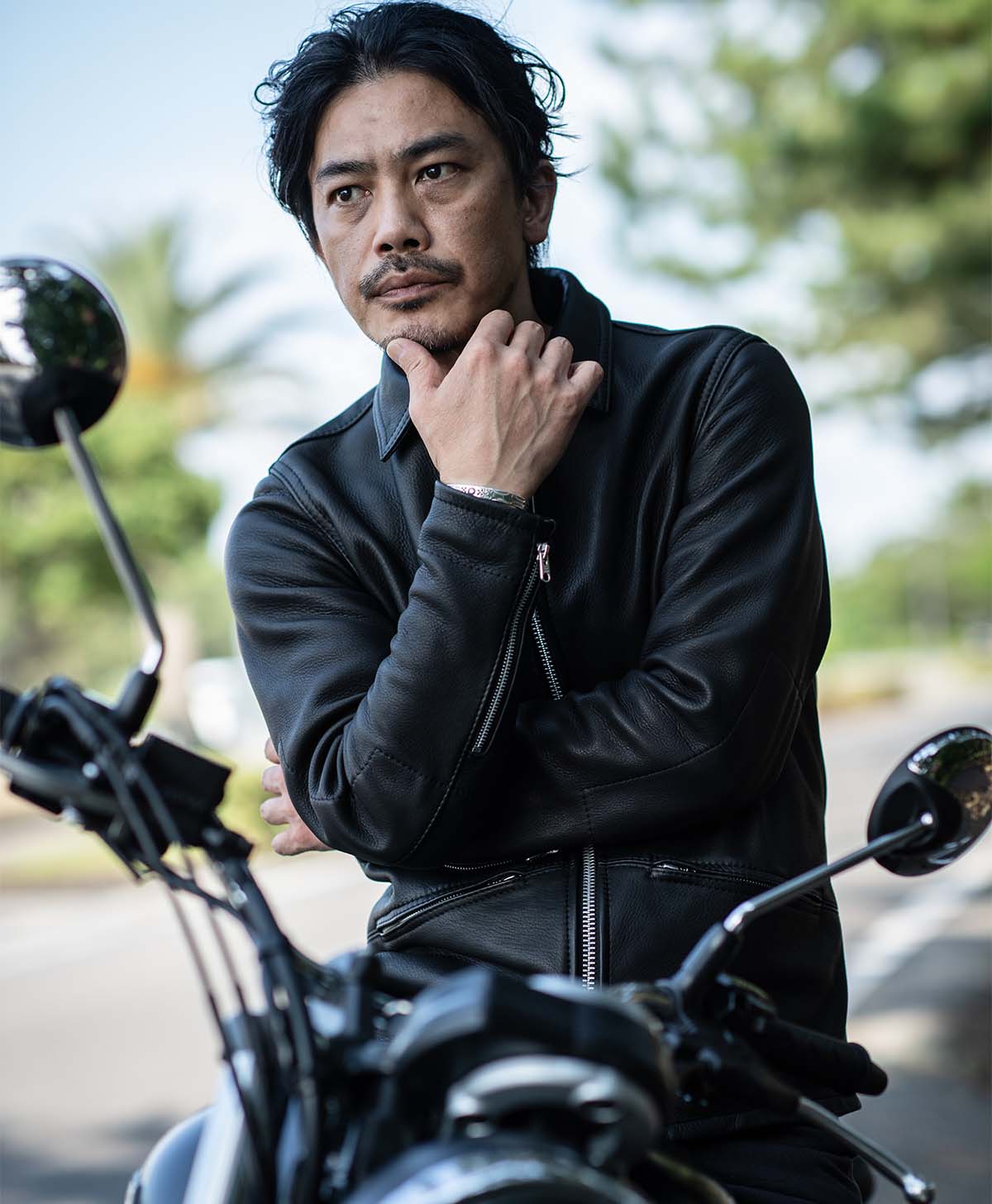
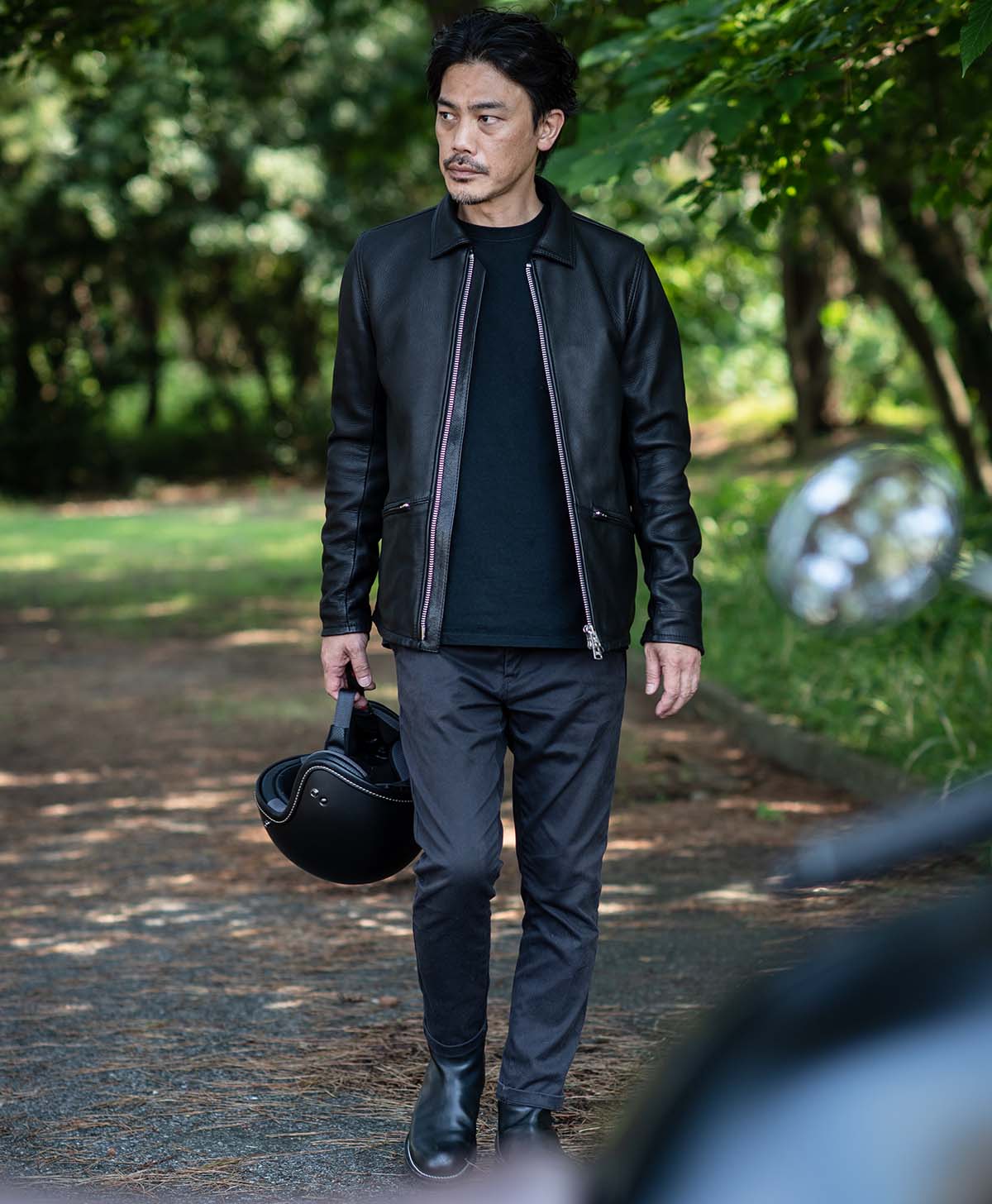
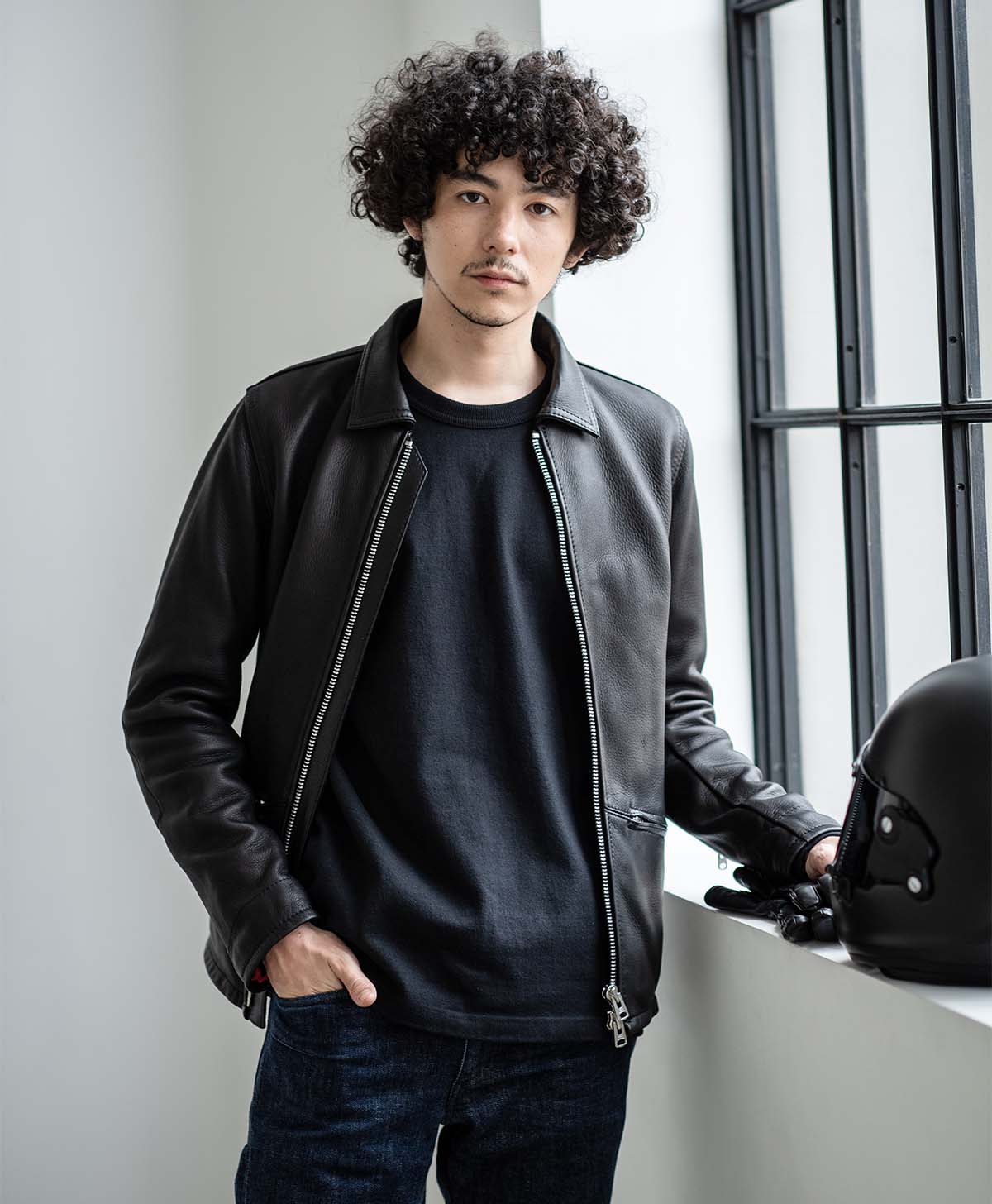
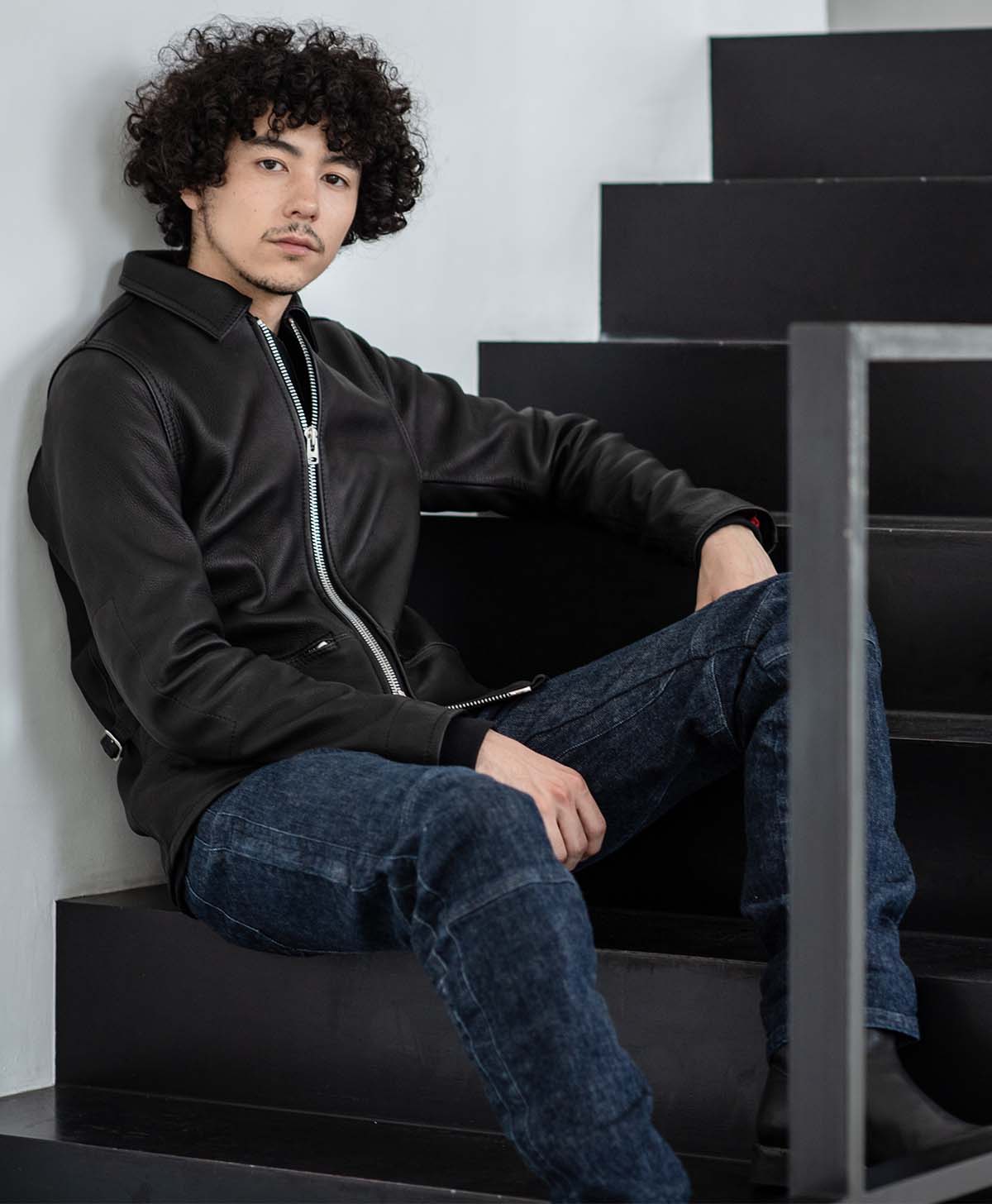
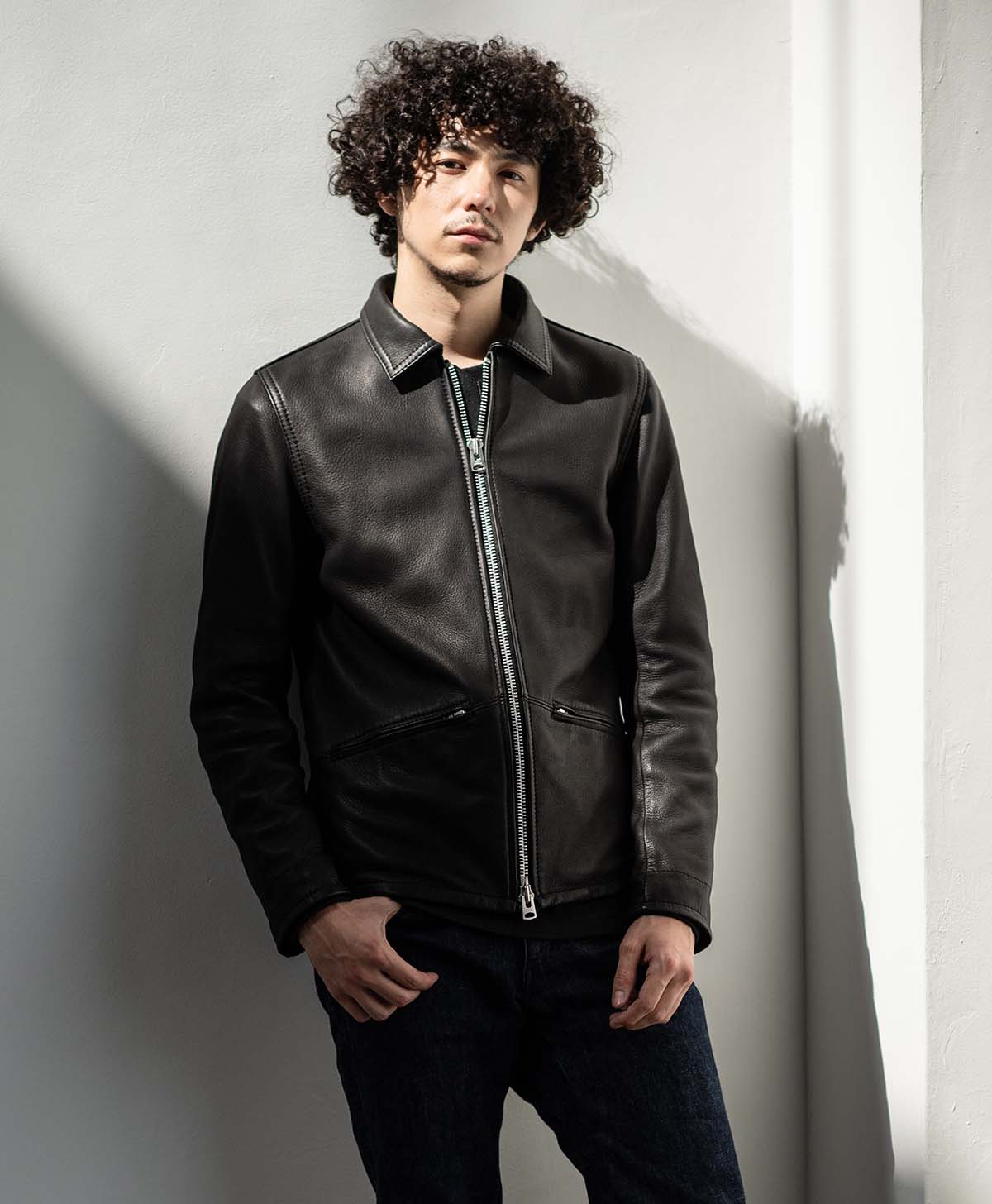
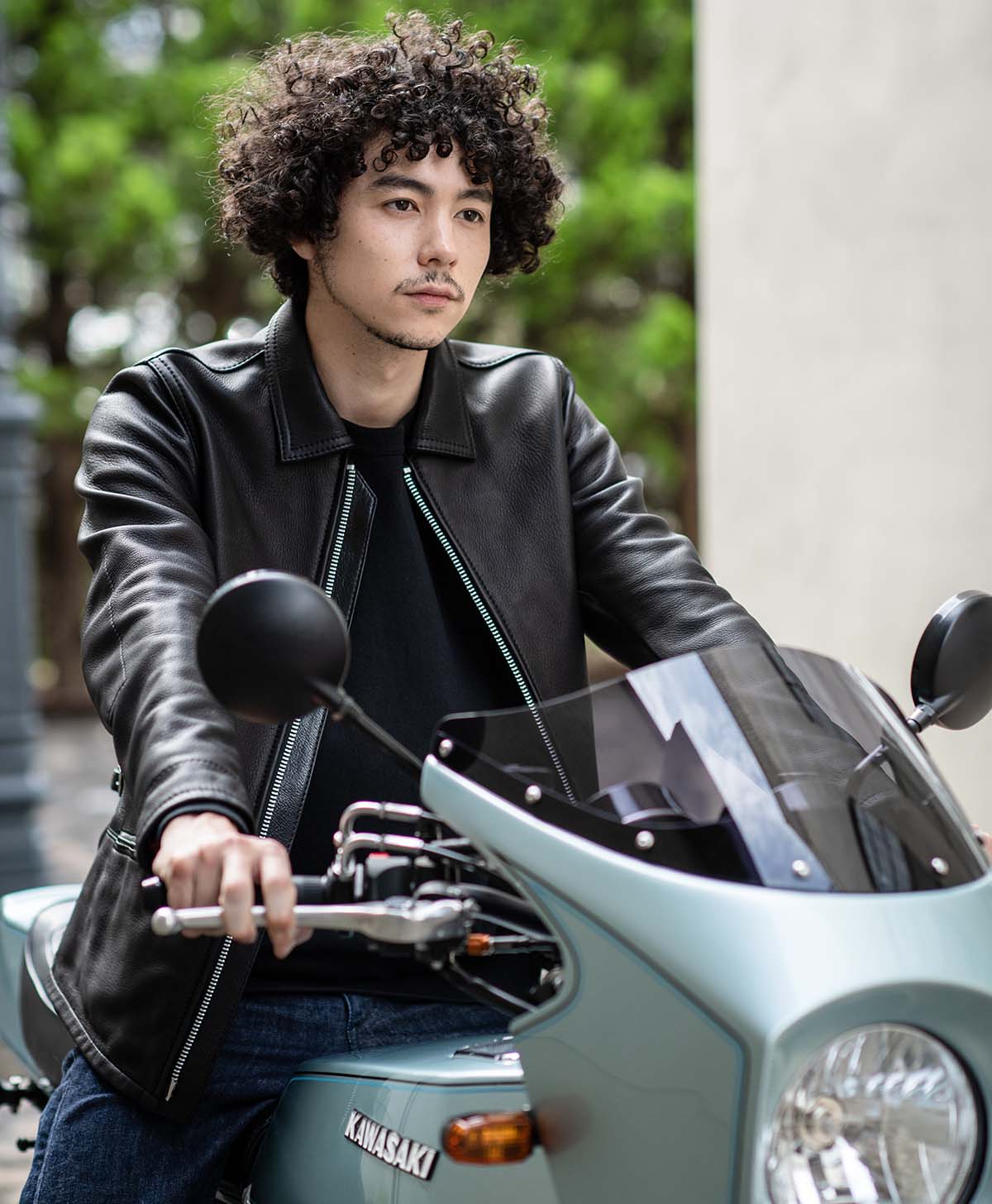
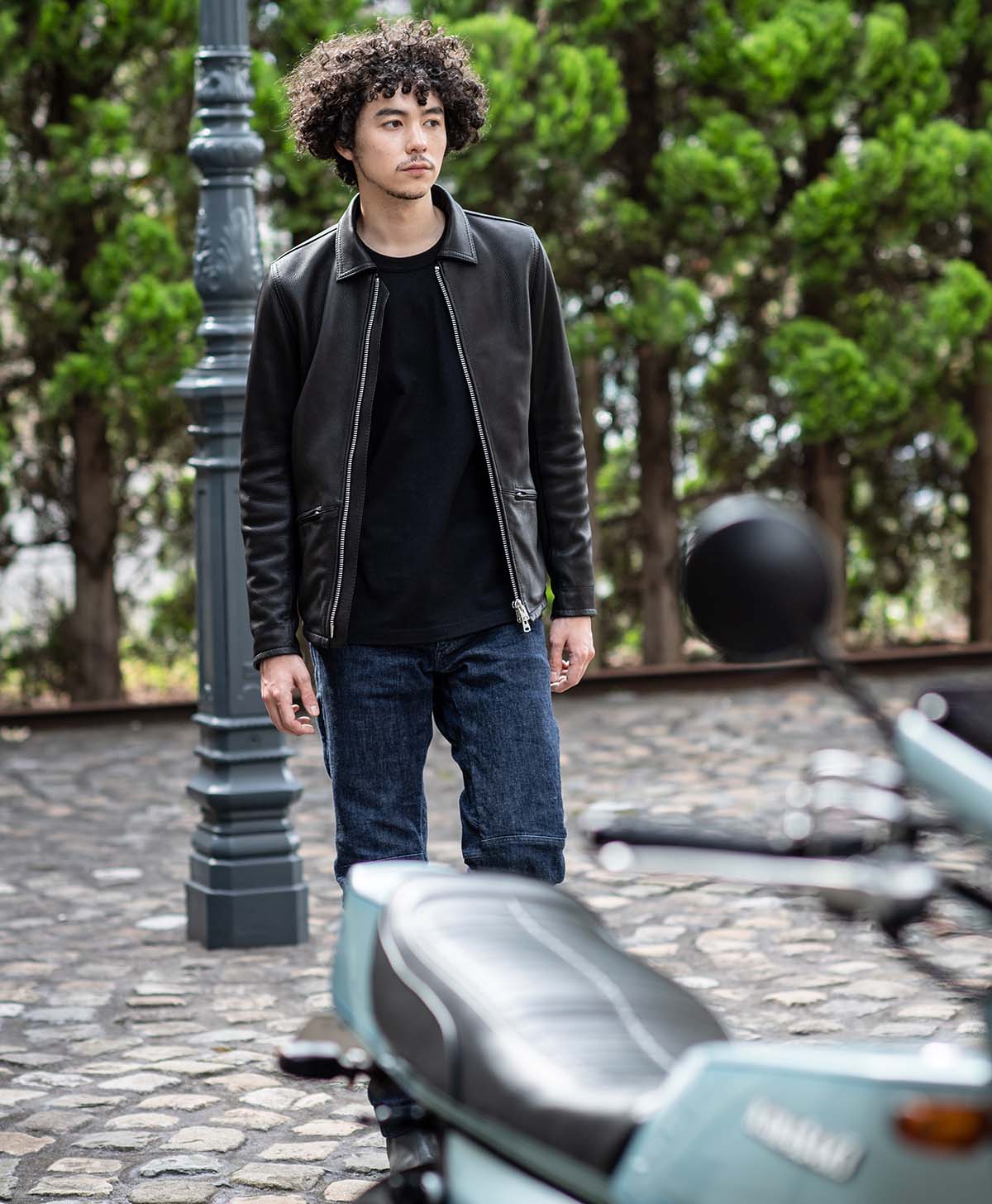
■Product characteristics/Country of origin (Made in Japan)
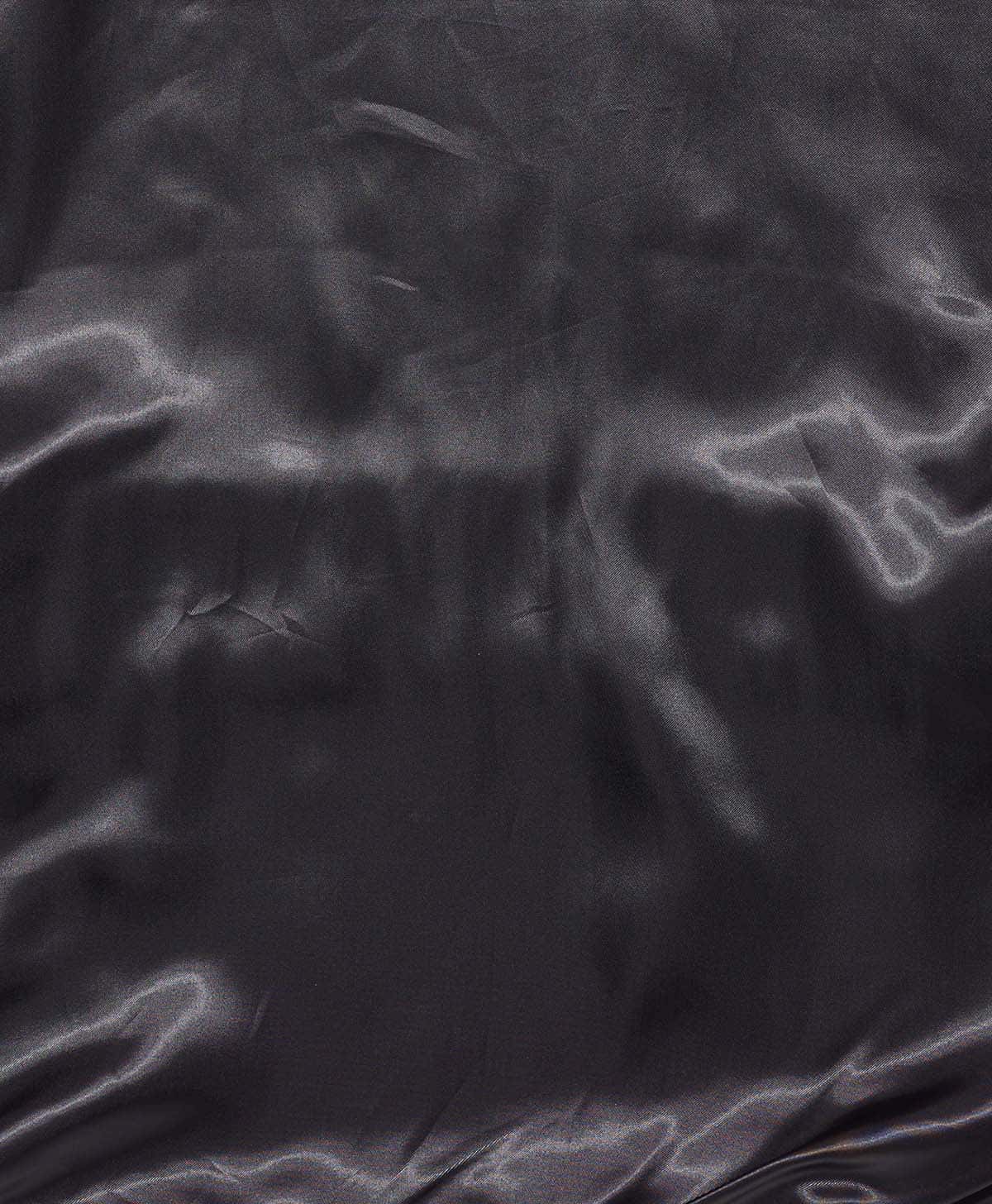
■Material front: HF-deer (deerskin) Back: Cupra (no cotton)
size spec
| size | M. | L. | LL | 3L |
| bust | 104 | 108 | 112 | 116 |
| waist | 100 | 104 | 108 | 112 |
| around the hem | 101 | 105 | 109 | 113 |
| Length | 66 | 67.5 | 69 | 70.5 |
| shoulder width | 43.5 | 45 | 46.5 | 48 |
| Sleeve Length | 62 | 63 | 64 | 65 |
*The unit is cm (centimeter)
* The indicated size is the finished size, and there may be some errors depending on the product.
how to measure

How to choose size
| How to wear | impression | from bust size | inner |
| I want to wear tight | smart | +8cm | T-shirt |
| I want to wear it as standard. | usually | +12cm | + Sweater/Hoodie |
| I want to wear it loosely | wild | +16cm | + down / fleece |
* Due to the riding pattern, the sleeves may feel long.
*If the material is leather, the sleeve length will be shortened by 1-2 cm.
* If you are concerned about the length of the sleeves, it is possible to shorten the sleeves for an additional fee.
Size Conversion Chart
All KADOYA products are written in Japanese size.
In the table below, please check the Japanese size and overseas size (US, EU, UK).
(The sense of size varies depending on the manufacturer, so please check it as a reference.)
Men's size
| Japanese size | US size | EU size | UK size |
|---|---|---|---|
| S | XS | 44 | 34 |
| M | S | 46 | 36 |
| L | M | 48 | 38 |
| LL | L | 50 | 40 |
| 3L | XL | 52 | 42 |
| 4L | XXL | 54 | 44 |
| 5L | 3XL | 56 | 46 |
Ladies size
| Japanese size | US size | EU size | UK size |
|---|---|---|---|
| S | XS | 34 | 6 |
| M | S | 36 | 8 |
| L | M | 38 | 10 |
Size chart by body type
| SIZE | S | M | L | LL | 3L | 4L |
| Weight (kg) | 50~60 | 55~65 | 65~75 | 70~80 | 80~90 | ~100 |
| Height(cm) | 155~170 | 160~175 | 165~180 | 170~185 | 175~190 | ~190 |
| Bust(cm) | 86~90 | 90~94 | 94~98 | 98~102 | 102~106 | 106~110 |
| Waist(cm)* | ~75 | ~80 | ~84 | ~89 | ~94 | ~99 |
*Please use the waist measurement as a reference for pants.
*The listed sizes are for reference only and may differ from the actual sizes.
About material
What is HF Dia?

"Fujioka Yukichi Honten" is dedicated to tanning the natural material "deerskin", skillfully incorporating the colors and tastes of nature, and the traditions and techniques that were born and raised in Nara's beautiful four seasons. ”.
 Founded in 1884, the company, which has been in business for 128 years, values the know-how of tanning that has been cultivated over generations, while at the same time formulating and accumulating chemical technical data and developing eco-friendly tanning. I am doing enlightening research.
Local water "Utano water" is indispensable for "Fujioka Deer" because climate factors are important for tanning. In addition, in consideration of heat retention and durability, we stick to authentic Spanish drums using African teak wood.
 The superior characteristics of deerskin, such as suppleness, toughness, and soft texture, can only be realized through careful attention to detail and reliable tanning techniques.
- Notes on leather -
Deerskin is characterized by more scratches than other types of leather. In addition, the tanning of the deerskin used in this product takes advantage of the texture and breathability of natural materials, and the leather surface is uncoated with a dye finish, so scratches are more noticeable and the conventional HF quality is improved. From the selection of, it seems that there are many people who feel uncomfortable and have doubts.
As a head office factory, we strive to remove as many noticeable scratches as possible, but our top priority is to ensure that a single piece of oval leather is in the best place (tension, stiffness) so that it can withstand long-term changes. , well-textured grain) is considered to lay out the pattern paper.
I would appreciate it if you could understand it as a high-quality texture including scratches.
Maintenance method
Just like with our skin, regular maintenance is important to prevent damage and keep leather products in good condition. Here we will introduce some self-maintenance methods to ensure you can enjoy your leather products for a long time.
(When using maintenance products such as cleaners or oils, always test on an inconspicuous area to make sure they do not cause stains or discoloration.)
Step 1

Use a horsehair brush to remove dirt and dust from the surface of the leather. Be sure to brush the seams as well. If the leather is very dirty, wipe it with a tightly wrung out wet towel.
Step 2

Take Ref / LEATHER CLEANER through the cloth until your fingers are slightly damp. When the cleaner has dried, soak the cloth with an appropriate amount again.
Step 3

Wipe the entire leather in several steps. This process will bring it closer to bare skin. Dirt and color will transfer to the cloth, but this is proof that the old oil and dirt have been removed.
Step 4

The finish can be either matte, natural or glossy depending on the oil characteristics, so please choose the oil according to your preference.
Step 5

Apply your chosen oil to the clean side of the cloth, using only small amounts of oil at a time.
Step 6

Apply the oil thinly, spreading it evenly over the entire leather. If there is not enough oil, add a little at a time.
Step 7

Brush the entire leather surface with a horsehair brush to allow the oil to soak in. For larger areas, it is more effective to use a larger brush. We recommend using a separate brush for dust removal.
Step 8

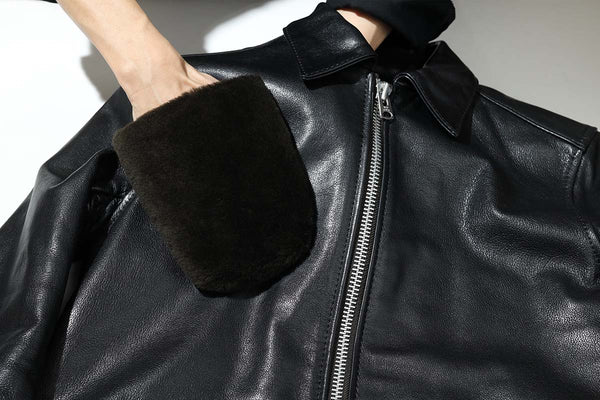
From here on, we will introduce a "step" that we recommend for those who want to pay more attention to the finish. Wipe the entire glove with the mouton side. Wiping it dry will remove any excess oil remaining on the surface and prevent stickiness.
Step 9
About cleaning
We offer a specialized leather cleaning service called ``Refleather''.

What is Refresher?
The new common sense is to wash leather products before wearing them.
The traditional method of cleaning leather products in Japan has been dry cleaning using chlorinated solvents.
While this removes dirt, there are also cases in which the color fades and the oil content from the leather is removed, and using a fatliquoring agent to replace the lost fat content can result in an unnatural or unpleasant stickiness. There was a problem.
Ref Leather uses a special soap specifically for leather, and can be washed with water as well as dry. The important thing here is to remove dirt and replenish nutrients, including lost fat. This will restore suppleness and elasticity, allowing you to once again appreciate the gentleness and strength that leather originally possessed.
You can wash all kinds of leather products (genuine leather), including leather jackets, leather overalls, pants, coats, skirts, and boots. It is also possible to clean colored models that were avoided with conventional cleaning.
What is HEAD FACTORY?


Founded in 1935, in Asakusa, Tokyo, we have continuously nurtured our craftsmanship in making leather jackets.
This commitment is our proud philosophy that plays a part in Japanese manufacturing. The origin of HEAD FACTORY is the "skill" and "enthusiasm" cultivated by Kadoya craftsmen.
And this is my thoughts to all those who love leather jackets and motorcycles. We continue to create clothes that can be worn for generations without being swept away by the times.
HEAD FACTORY KADOYA MADE IN JAPAN
Embracing the craftsmen's passion in the brand tag, Kadoya's path to "better manufacturing"
the night before

Kadoya's craftsmen, who have been making leather jackets for a long time as a made-to-order leather shop, have accumulated technology that can respond to all needs over time.
As the world entered an era of mass production and mass consumption, the trend shifted toward ready-made clothes. In the midst of turbulent times, the skilled craftsmen led by Masataka Fukano, the second generation of the company, continued the custom-made production, while behind the scenes the development of ready-made clothes also started.
In 2003, the domestic brand "HEAD FACTORY", which was particular about "sewing one piece per person" as if going against the times, was transposed to the production of ready-made clothes. It was launched at the factory in the head office building in Asakusa.
Choose options
STAFF POST